

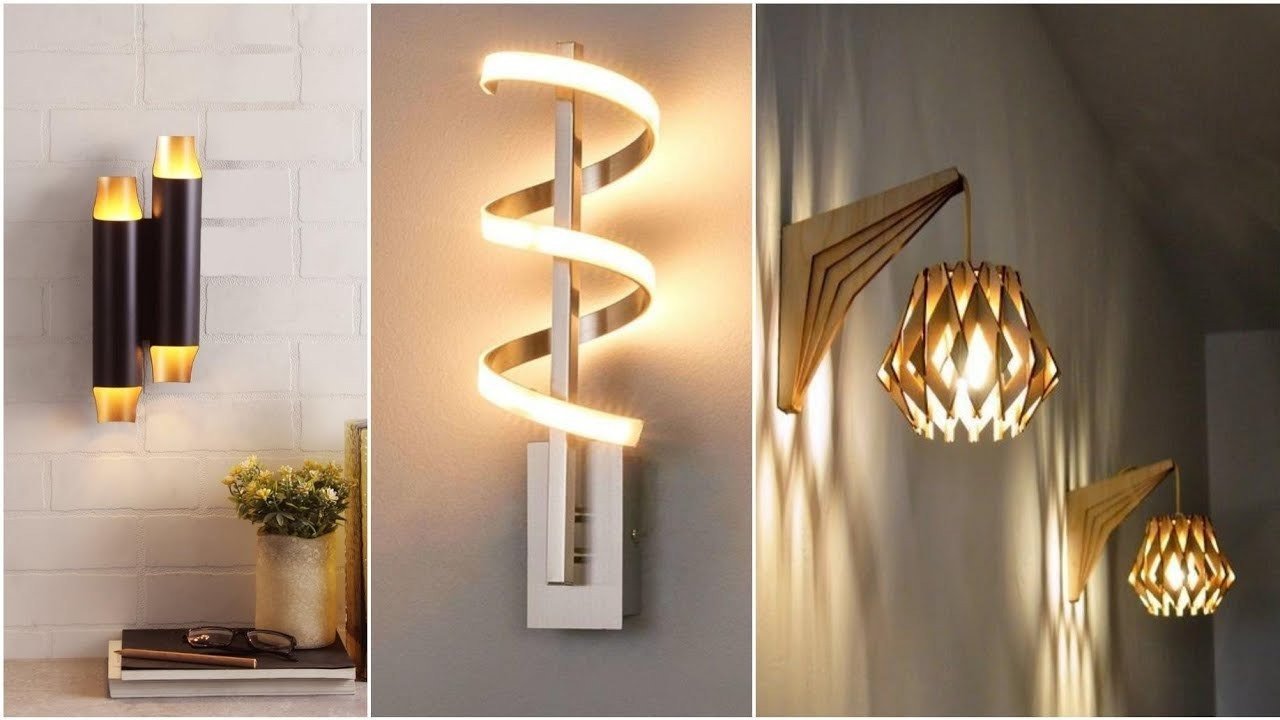
Introduction to Lighting Design
Lighting design is a crucial element of interior and architectural planning. It shapes mood, enhances functionality, and elevates the beauty of any space.
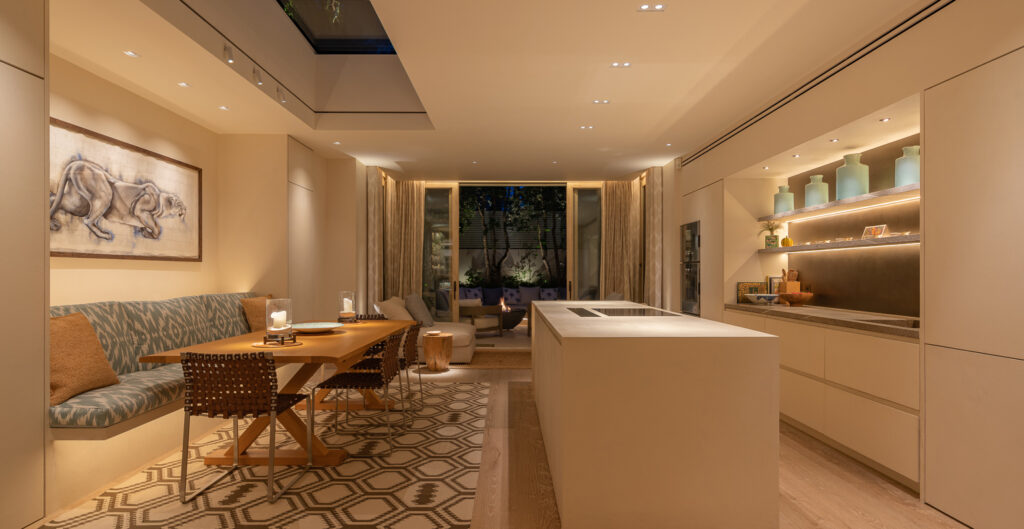
Whether it’s a residential home, a commercial venue, or an outdoor landscape, effective lighting design blends aesthetics with practicality. Through strategic placement, thoughtful layering, and the right choice of fixtures, lighting becomes a powerful tool for transforming environments.
Importance of Lighting in Interior and Architectural Spaces
Enhancing Visual Comfort
Good lighting reduces eye strain, improves visibility, and makes daily activities easier and more comfortable.
Creating Ambiance
Lighting affects how we perceive space—warm lights create coziness, while cool lights feel fresh and energizing.
Highlighting Architectural Features
Proper lighting accentuates textures, forms, and focal points such as artwork, furniture, or structural elements.
Improving Functionality
Task-oriented lighting ensures spaces like kitchens, offices, and bathrooms remain practical and safe.
Key Principles of Lighting Design
The Three Layers of Lighting
1. Ambient Lighting
General illumination that fills a room and sets the overall mood.
2. Task Lighting
Focused lighting used for specific activities such as reading, cooking, or working.
3. Accent Lighting
Highlights key design elements, adding depth and visual interest.
Light Color and Temperature
Color temperature (measured in Kelvin) influences how we perceive the ambiance:
- Warm white (2700K–3000K) for cozy, relaxing spaces
- Neutral white (3500K–4100K) for balanced and natural lighting
- Cool white (5000K–6500K) for energetic and functional environments
Light Distribution and Intensity
Uniform distribution prevents shadows, while adjustable intensity allows flexibility for different moods and uses.
Types of Lighting Fixtures
Ceiling Fixtures
Common in homes and commercial spaces, ceiling lights include chandeliers, flush mounts, and pendant lights.
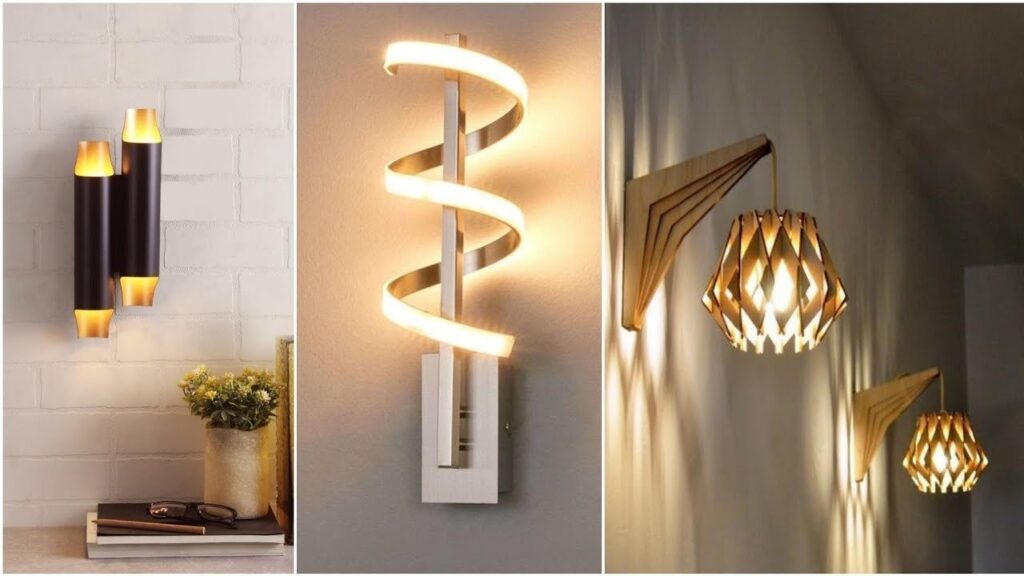
Wall Lights
Provide both functional and decorative illumination, often used in hallways, living rooms, and bedrooms.
Floor and Table Lamps
Portable and versatile, they add warmth and supplementary lighting.
Recessed and Track Lighting
Ideal for minimalist designs, they offer clean lines and directional lighting.
LED Strip Lights
Used in modern interiors, they create subtle glows under cabinets, stairs, and architectural details.
Lighting Design Techniques
Layering Light
Combining ambient, task, and accent lighting creates balance, depth, and enhanced usability.
Dimming Systems
Dimmers allow control over brightness, making spaces suitable for multiple activities.
Using Natural Light
Well-designed windows, skylights, and light wells maximize daylight, reducing energy consumption.
Highlighting Textures and Materials
Spotlights and wall grazers enhance surfaces like stone, wood, or fabric walls.
Color-Changing LED Systems
Perfect for modern interiors, RGB and smart LEDs allow customizable atmospheres.
Lighting Design for Different Spaces
Living Room
A combination of ceiling lights, lamps, and accent lighting creates a cozy yet functional environment.
Kitchen
Bright task lighting over counters, islands, and sinks ensures safety and ease of use.
Bedroom
Warm lighting with bedside lamps and soft ceiling lights promotes relaxation.
Bathroom
Bright and focused lighting around mirrors helps with grooming, while ambient lighting adds comfort.
Office
Neutral or cool lighting improves concentration and reduces fatigue.
Comparison of Lighting Types
| Lighting Type | Purpose | Best Used In | Key Features |
|---|---|---|---|
| Ambient | General illumination | Living rooms, bedrooms | Soft, uniform lighting |
| Task | Activity-focused | Kitchens, offices | Bright, directional |
| Accent | Highlighting elements | Galleries, feature walls | Creates depth and contrast |
| Decorative | Aesthetic appeal | Entryways, dining rooms | Artistic focal points |
Trends in Modern Lighting Design
Smart Lighting
App-controlled systems offer adjustable brightness, color, and scheduling for convenience and energy efficiency.
Sustainable Lighting
Eco-friendly materials, LED technology, and low-energy fixtures contribute to green design.
Minimalist Fixtures
Sleek lines and hidden light sources support clean and modern aesthetics.
Sculptural Lighting
Artistic fixtures act as statement pieces in luxury spaces.
Human-Centric Lighting
Lighting that mimics natural daylight supports circadian rhythms and enhances well-being.
List of Common Lighting Mistakes to Avoid
- Using only one type of lighting, which can make spaces look flat
- Overlooking dimmers, limiting ambiance control
- Poorly placed fixtures, causing glare or shadows
- Not considering natural light, leading to overuse of artificial lighting
Role of Lighting Designers
Lighting designers collaborate with architects and interior stylists to ensure lighting aligns with both function and aesthetics. They plan fixture placement, choose appropriate color temperatures, calculate illumination levels, and integrate energy-efficient solutions.
Conclusion
Lighting design is far more than simply placing lights in a room—it’s an art form that shapes experiences, enhances functionality, and adds emotional depth to spaces. By understanding light layers, using the right fixtures, incorporating modern technology, and prioritizing both beauty and practicality, lighting designers create environments that feel harmonious, inspiring, and truly alive. Through thoughtful lighting design, any space can be transformed into a visually stunning and highly functional masterpiece.