

Introduction to Architectural Design
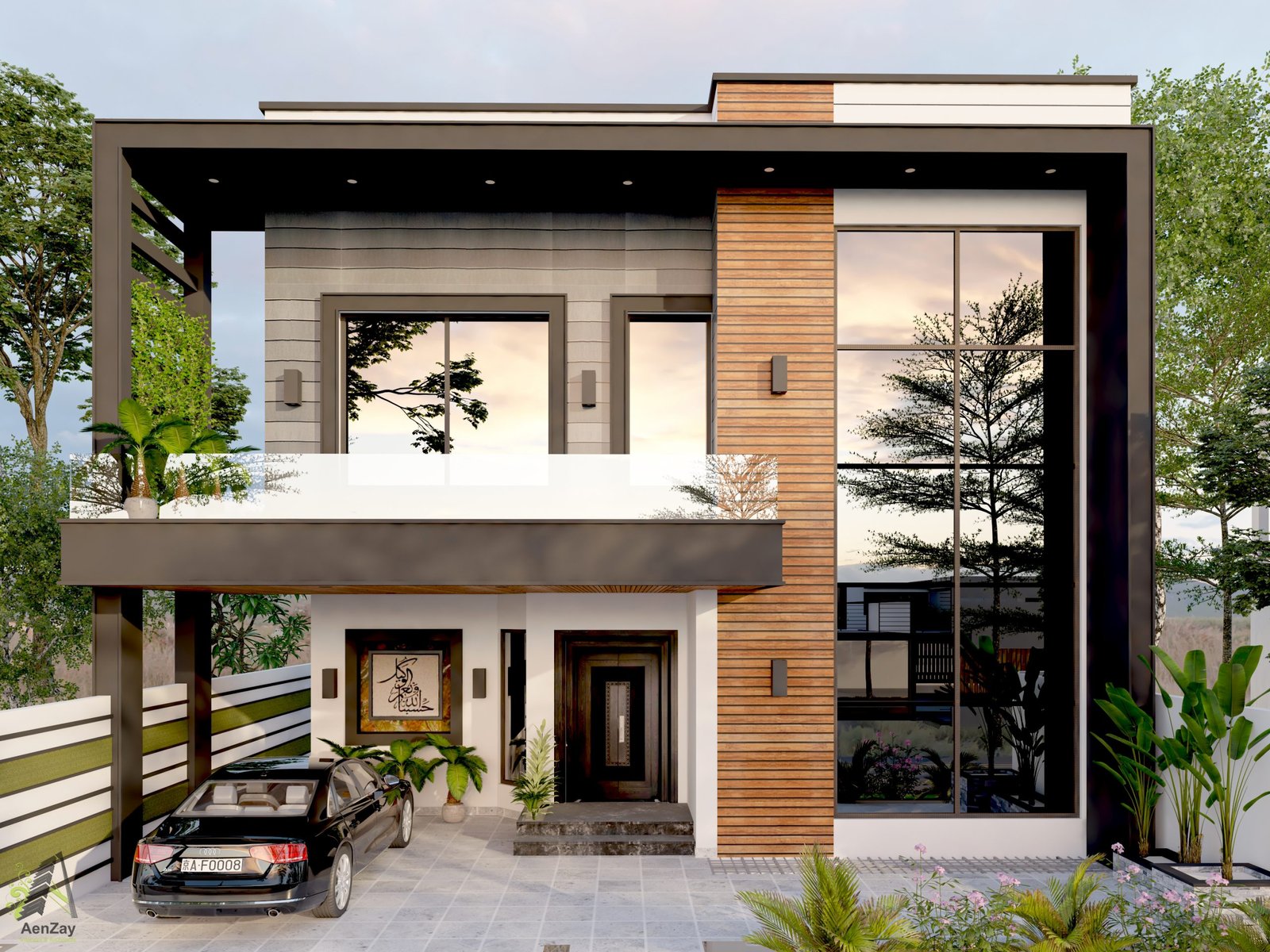
Architectural design is the art and science of shaping the built environment. It involves conceptualizing spaces, determining structural solutions, and integrating aesthetic, functional, and technological elements into cohesive forms.
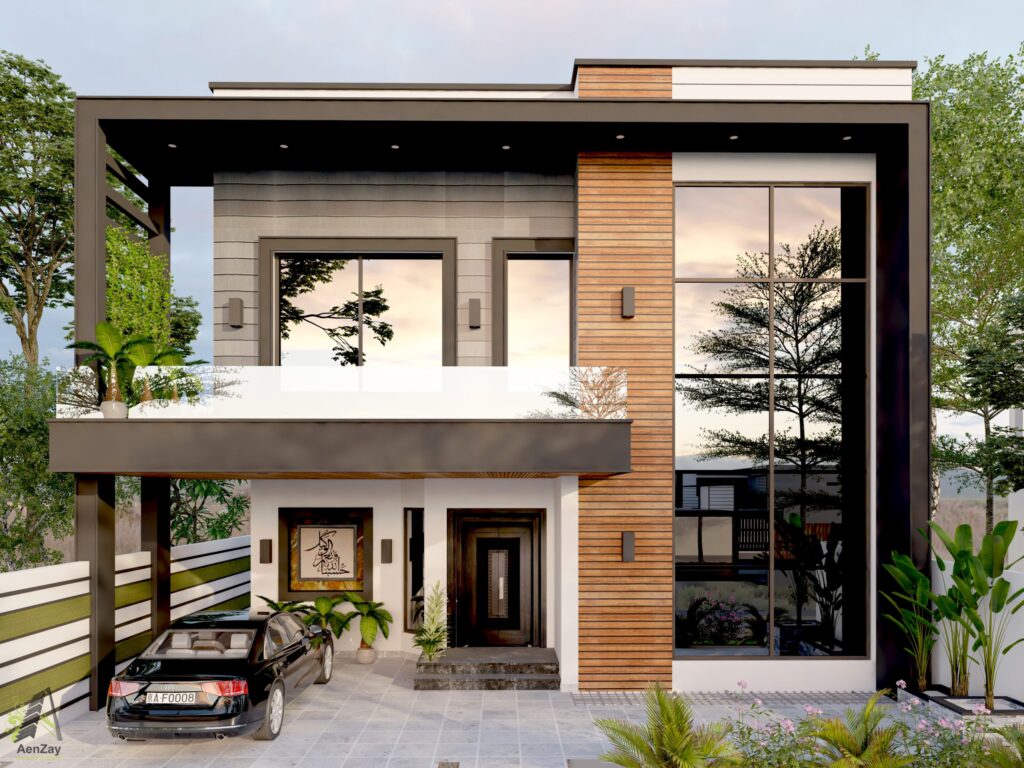
Architects merge creativity with engineering precision to craft buildings that serve practical purposes while enriching human experience. In today’s rapidly evolving world, architectural design is influenced by sustainability, digital tools, and cultural contexts, making it a dynamic and multidisciplinary field.
The Foundations of Architectural Design
Understanding Space and Form
Architectural design begins with the fundamental concepts of space and form. Space refers to the physical and perceived area within and around structures, while form is the shape and configuration of those spaces. Designers use geometry, proportion, and scale to create visually appealing and functionally appropriate forms.
Key Principles of Architectural Design
1. Balance and Harmony
Balance ensures visual stability, while harmony integrates design elements cohesively.
2. Proportion and Scale
These principles relate the size of components to one another and to the overall structure.
3. Rhythm and Repetition
Repeating elements—columns, windows, or patterns—creates visual consistency.
4. Contrast and Emphasis
Contrast highlights specific design elements, drawing the viewer’s attention to focal points.
Types of Architectural Design Approaches
Traditional Architecture
Traditional architecture draws inspiration from historical styles, cultural influences, and craftsmanship techniques. It emphasizes ornamentation, symmetry, and materials like stone, wood, and brick.
Modern Architecture
Modern architecture, which emerged in the early 20th century, emphasizes functionality, simplicity, and clean lines. It favors materials such as steel, glass, and reinforced concrete, reflecting an industrial aesthetic.
Postmodern Architecture
Postmodernism reacts against modernism’s minimalism by reintroducing decorative elements, bold colors, and eclectic styles. It often blends classical references with contemporary forms.
Sustainable Architecture
With increasing global focus on environmental responsibility, sustainable architecture incorporates energy-efficient systems, renewable materials, and ecological design strategies to minimize environmental impact.
Elements of Architectural Design
Structural Systems
Load-Bearing Structures
Walls support the weight of the building.
Frame Structures
Beams and columns form a structural skeleton.
Shell Structures
Curved surfaces carry structural loads, as seen in domes and shells.
Materials in Architecture
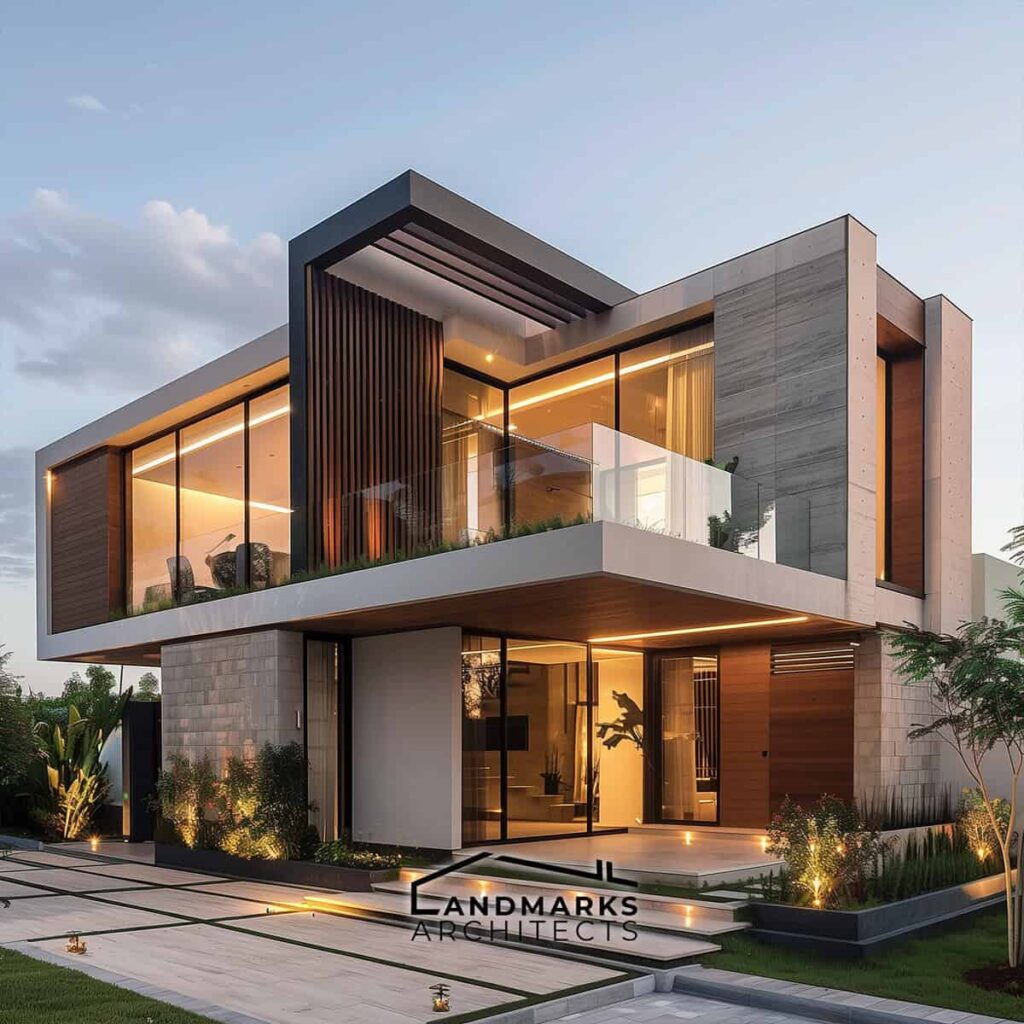
Architects select materials based on durability, aesthetic appeal, environmental impact, and cost. Common materials include:
- Concrete for structural strength
- Glass for transparency and openness
- Wood for warmth and sustainability
- Steel for flexibility and industrial style
Tools and Technologies in Modern Architectural Design
Building Information Modeling (BIM)
BIM has revolutionized architectural design by allowing architects to create integrated 3D models that incorporate structural, electrical, and mechanical systems. This technology improves collaboration and reduces errors.
Computer-Aided Design (CAD)
CAD software enables precise drafting and visualization, significantly speeding up the design process compared to manual drafting.
Virtual and Augmented Reality
VR and AR technologies enable immersive visualization, allowing architects and clients to explore spaces before construction begins.
Key Phases of the Architectural Design Process
1. Concept Development
The conceptual phase involves brainstorming, sketching ideas, and researching site conditions, cultural context, and client needs.
2. Schematic Design
Architects develop initial plans, sections, and elevations to illustrate spatial relationships and basic design elements.
3. Design Development
At this stage, materials, structural systems, and building technologies are selected and refined.
4. Construction Documentation
Detailed drawings and specifications are created to guide builders throughout the construction process.
5. Project Execution
Construction begins, and architects ensure design intent is maintained through regular site visits and coordination with contractors.
Comparison of Architectural Styles
| Architectural Style | Key Features | Common Materials | Time Period |
|---|---|---|---|
| Traditional | Ornamentation, symmetry | Wood, stone, brick | Pre-20th century |
| Modern | Minimalism, clean lines | Steel, glass, concrete | 20th century |
| Postmodern | Eclectic, playful elements | Mixed materials | Late 20th century |
| Sustainable | Eco-friendly, energy efficient | Renewable materials | 21st century |
Emerging Trends in Architectural Design
Smart Architecture
Smart buildings integrate advanced technologies such as IoT sensors, automated systems, and AI-driven management to optimize energy use, comfort, and safety.
Biophilic Design
Biophilic design emphasizes the connection between humans and nature by incorporating natural light, greenery, water features, and organic materials.
Modular and Prefabricated Construction
This method uses factory-made components that are assembled on-site, reducing construction time, waste, and cost.
Adaptive Reuse
Rather than demolishing old structures, adaptive reuse transforms them into new functional spaces, preserving cultural heritage and reducing environmental impact.
Importance of Sustainability in Architectural Design
Architects today must consider the environmental impact of their designs. Sustainable architecture focuses on:
- Energy efficiency through insulation, natural ventilation, and solar technology
- Water conservation via rainwater harvesting and efficient plumbing
- Sustainable materials like bamboo, reclaimed wood, and recycled steel
- Low-carbon construction methods that reduce greenhouse gas emissions
Sustainable design not only benefits the planet but also enhances user well-being through healthier indoor environments.
How Architectural Design Shapes Human Experience
Emotional and Psychological Impact
Architecture influences mood, behavior, and perception. For example, natural light and open spaces promote relaxation, while crowded or dim areas can cause discomfort.
Cultural Significance
Buildings reflect cultural identity and societal values. From temples to contemporary museums, architecture serves as a historical record of human civilization.
Functional Efficiency
Good design ensures that spaces support their intended functions, whether residential comfort, commercial productivity, or educational engagement.
Conclusion
Architectural design is a multifaceted discipline that requires creativity, technical expertise, and an understanding of human needs. As technology advances and environmental challenges intensify, architects must innovate and adopt sustainable, smart, and people-centered design solutions. The future of architecture lies in balancing aesthetics with functionality, tradition with modernity, and human comfort with environmental responsibility. Through thoughtful design, architects shape not only buildings but also the lives and experiences of the people who inhabit them.